
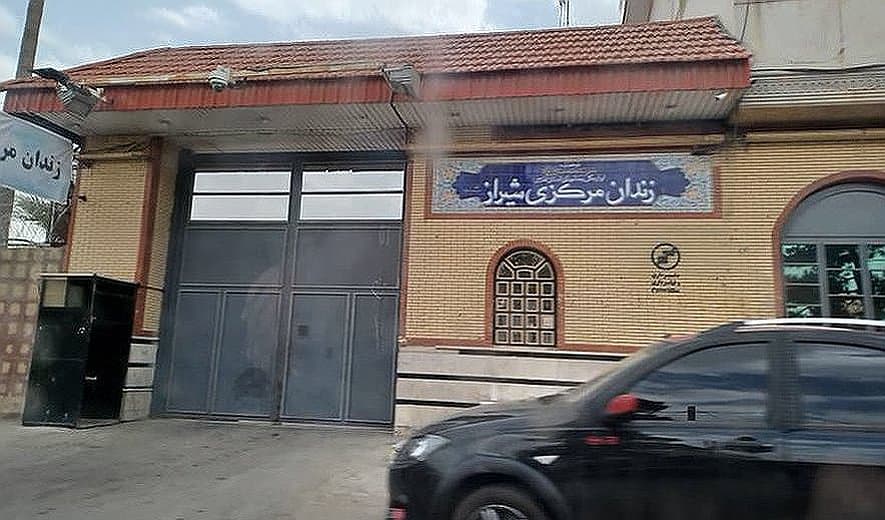
Adelabad Prison, the central prison of the city of Shiraz, is considered one of the largest detention facilities in Iran. The prison consists of multiple wards, including general wards, political wards, the “Ebrat” ward, and a women’s ward. It is widely known for its poor sanitary and welfare conditions and for maintaining inhumane detention standards. The situation has further deteriorated due to severe prison overcrowding following the mass arrests during the January protests and, more recently, under wartime conditions, exacerbating ongoing human rights violations against prisoners.
Deaths in custody resulting from inadequate oversight and denial of medical care have previously been reported in this prison. On 19 March 2025, a Baluch prisoner, Karim Rigi, died in Adelabad Prison after suffering a cardiac arrest and being denied timely medical treatment. Rigi had been detained since 2021 on drug-related charges and had remained in legal limbo in the prison’s general ward for years without a final verdict being issued in his case. Another prisoner, Sajjad Shabani, a father of three who was imprisoned in Shiraz on non-political charges died on Tuesday, 29 October 2025, after authorities delayed his transfer to a hospital. Shabani had previously undergone heart surgery and was in critical condition, requiring an urgent second operation. However, prison authorities reportedly refused to transfer him to medical facilities, a failure that ultimately cost him his life.
During the January protests, as well as amid the intensified security crackdown following the wartime period, a significant number of members of the Baha’i community were arrested across various cities in Iran, including in Shiraz, where detainees have been transferred to Adelabad Prison. Among them are Mandana and Mahsa Sotoudeh, two Baha’i sisters from Shiraz, who have remained in detention in separate wards of Adelabad Prison for more than 50 days and continue to be denied access to legal counsel.
Behzad Yazdani and Romina Khazali, a Baha’i couple from Shiraz and parents of two teenagers, have likewise been held in legal limbo in Adelabad Prison for over 50 days without access to a lawyer. Romina Khazali, who suffered from several pre-existing medical conditions prior to her arrest, including severe migraines and acute stomach pain, has also reported serious deterioration in her mental health during her most recent phone call. She had previously undergone stomach surgery before her detention, and her continued imprisonment under the harsh conditions of Adelabad has heightened her family’s concerns for her wellbeing.
The physical condition of Angha Siavoshi, a 19-year-old Baha’i prisoner detained in the same prison, is also reported to be deeply concerning. According to her relatives, she had been undergoing medical treatment prior to her arrest, and the sudden interruption of her medication could result in severe and potentially dangerous consequences. Her family states that authorities have thus far refused to allow the delivery of her required medication. Those transferred to Adelabad Prison have not been limited to members of the Baha’i community. For instance, Bahar Sahraeian, a lawyer, was transferred to the prison on 17 May and has reportedly been denied family visitation ever since.
The women’s ward of Adelabad Prison consists of eight rooms, one of which is designated for political and financial prisoners and is separated from the other rooms. Adelabad Prison was originally constructed with four large main wards, each comprising three floors and 20 rooms. Over time, however, each of these primary wards was subdivided into smaller sections and units. At the time of construction, each main ward had been designed to accommodate approximately 500 prisoners. In subsequent years, however, the prison population in these wards reportedly expanded to nearly five times their intended capacity, resulting in severe overcrowding. According to a report by the Narges Mohammadi Foundation, following the missile attacks by Israel and the United States on Iran, some prisoners in Adelabad Prison were transferred to underground facilities and held under inhumane conditions. Access to basic necessities such as water and food reportedly became significantly more difficult than before.
Overcrowding and Violation of the Principle of Separation of Prisoners
Following the January protests, during the first week of February, at least 150 women and juvenile detainees arrested in Shiraz were transferred to the women’s ward of Adelabad Prison. According to reports by HRANA, the majority of those detained were school students. They were transferred to the prison’s political ward, a room reportedly lacking sufficient space even for 30 individuals. Due to the severe shortage of beds, many detainees were reportedly forced to sleep on the floor in overcrowded and unsanitary conditions.
Other detained women were transferred to wards housing prisoners accused of murder, drug-related offenses, theft, as well as juvenile detainees. The failure to separate political prisoners and prisoners of conscience from individuals convicted or accused of violent or non-political crimes sometimes poses a threat to their physical safety and psychological wellbeing..
Roya Sabet, a Baha’i prisoner detained in Adelabad Prison, described the conditions as “displacement within prison.” In an account of the situation, she explained that due to the growing prison population, she and other prisoners were moved from one room to another. These transfers were carried out without observing the principle of separation of prisoners based on the nature of their charges, resulting in political prisoners being housed alongside prisoners accused of violent crimes. Eventually, following the release of several detainees and repeated written appeals by prisoners, some political prisoners were transferred back to their previous ward.
The reported conditions raise serious concerns under both domestic and international legal standards. Article 8 of Iran’s Executive Regulations for Prisons emphasizes the classification and separation of prisoners according to the nature of their alleged offenses, age, legal status, and personal circumstances. Similarly, Rules 11 and 12 of the United Nations Standard Minimum Rules for the Treatment of Prisoners (the Nelson Mandela Rules) require the separation of detainees by category and prohibit conditions that compromise prisoners’ safety, dignity, or health.
The general conditions in the ward, which had already been marked by serious deficiencies, reportedly deteriorated significantly with the onset of the war. In another report, Roya Sabet stated that overcrowding had become an acute crisis, with as many as 49 prisoners being held in a single small room. According to her account, prisoners were confined to this space throughout the entire day and were denied access to fresh air or outdoor time. Such conditions fall far below minimum standards of humane detention and violate basic health and sanitation requirements. The reported denial of access to outdoor exercise and the prolonged confinement of prisoners in severely overcrowded spaces may constitute violations of both Iranian prison regulations and international standards, including Rules 13, 21, and 23 of the United Nations Standard Minimum Rules for the Treatment of Prisoners, which guarantee adequate living space, ventilation, and access to daily outdoor exercise.
In late January 2016, the HRANA news agency published footage of a violent altercation among prisoners in the men’s ward of Adelabad Prison. The video reportedly showed prisoners using knives and other sharp weapons during the clash. In its accompanying report, HRANA stated: “Over recent months, Adelabad Prison in Shiraz has repeatedly been the scene of violent confrontations both among prisoners themselves and between prisoners and prison guards. The prison has also witnessed several riots in previous years. Families of prisoners detained in this facility, in communications with HRANA, expressed serious concern regarding the ongoing violence inside the prison and the lack of adequate oversight over prisoners’ safety and security. In the video documenting one such collective altercation from the previous year, prisoners can be seen attacking one another with various improvised weapons, including knives and metal bars. Several prisoners are visibly injured either inside cells or in front of the ward’s surveillance cameras.”
It should be noted that under Iranian law, the manufacture and possession of weapons inside prisons constitutes a criminal offense, and prison authorities are legally obligated, pursuant to prison regulations, to conduct inspections and ensure the absence of such dangerous items. allegations of inadequate supervision raise serious concerns regarding the authorities’ failure to ensure the safety and security of detainees. prison administrations must prevent violence and maintain safe conditions of detention. Failure to protect prisoners from foreseeable harm may amount to a breach of the state’s duty of care toward individuals deprived of their liberty.
Sanitary and Welfare Conditions
Overall, sanitary and welfare conditions in Adelabad remain at a critically low standard. In addition to the already poor general conditions, reports indicate that, after January protests due to severe overcrowding, several prisoners were transferred to the prison prayer hall, a cold space lacking even the most basic facilities, including showers and toilets. Women detained in the prayer hall reportedly had to wait in line after 11 a.m. each day and take turns accessing the quarantine ward to use bathroom and shower facilities. According to testimony by Roya Sabet, prisoners were forced to bathe with cold water under these conditions, causing many of them to become ill. As a result, long lines of sick prisoners reportedly formed outside the prison infirmary. Severe overcrowding, inadequate ventilation, and unsafe water conditions further worsened prisoners’ living conditions. Reports also indicate that essential hygiene items, such as bleach and liquid soap, were distributed only in limited quantities. prisoners were forced to purchase such items privately at inflated prices from within the prison. For many detainees such costs are unaffordable.
According to HRANA, food shortages in the prison became so severe that a single plate of food, previously allocated to one prisoner, was divided among four people. In addition, for extended periods, basic food items such as fresh produce were reportedly unavailable in the prison. Goods sold in the prison store were scarce and overpriced, and even drinking water was allegedly not consistently provided to prisoners. Multiple reports have described the food quality in Adelabad Prison as extremely poor; in some cases, prisoners reportedly found lizard eggs in their meals.
Leila Hosseinzadeh, a former student activist and political prisoner who was detained in Adelabad Prison for approximately four months in 2022, wrote: “Prisoners longed for fresh vegetables for months, unless someone returning from furlough managed to bring back a tiny amount. During the four and a half months I was there, the prison store brought potatoes only once. Two nights before my transfer, prisoners found lizard eggs in the ward’s food. The meals were of such poor quality that when I once told my friend in Gohardasht Prison that our lunch consisted of plain rice with a few burnt raisins, she was surprised that this even counted as a meal. As for fresh produce and store supplies, the women’s ward was in a far worse condition than even the men’s ward in the same prison.” under both Iranian prison regulations and international human rights law, prisoners must be provided with adequate food of nutritional value, safe drinking water, proper sanitation, and access to healthcare services and lack of hygiene facilities, unsafe living conditions, insufficient nutrition, and barriers to accessing essential sanitary products may amount to cruel, inhuman, or degrading treatment.
The prison library at Adelabad Prison has likewise reportedly been subject to extensive censorship and restrictions. Many books have been banned, and political prisoners are effectively deprived of access to educational and cultural materials. Hosseinzadeh writes: “As for newspapers, magazines, and books in such a ward, their fate was obvious. A few books, most of which were an insult to the very concept of books had been placed on the shelves. No newspapers, no magazines, nothing. Even most novels and fiction books were treated as dangerous.” Rule 64 of the Nelson Mandela Rules, emphasizes the importance of access to libraries and educational materials for all prisoners without discrimination.
Medical Care and Denial of Treatment
In recent years, numerous reports have documented the denial of timely and adequate medical care to prisoners in Adelabad, including cases in which prisoners reportedly died as a result of medical neglect as mentioned above.
In 2020, following the outbreak of COVID-19, prisoners in Adelabad Prison in Shiraz staged a protest in March objecting to the prison conditions amid the spread of the coronavirus and the authorities’ refusal to grant temporary leave. At the time, Ebrahim Raisi, then a, had instructed judicial authorities to facilitate the temporary release or furlough of prisoners to reduce the risk of infection. In practice, however, many prisoners remained confined in overcrowded and poorly ventilated spaces, exposing them to a heightened risk of contracting the virus.
According to Hosseinzadeh, medical care in Adelabad Prison is “catastrophic”: “There was a diabetic prisoner with a wound on his foot that kept worsening by the day, and the response he received was simply: ‘It’s normal.’ Prisoners with HIV or hepatitis were abandoned without any protective measures being taken. I repeatedly requested hepatitis testing, but no one paid attention. Everything was considered ‘normal.’ We even faced extreme stinginess from the infirmary over painkillers, over simple pain relief medication and at times prisoners were left suffering in pain without access to even basic medication. Prison guards repeatedly wished death upon prisoners when they were unwell. Even in the case of Elham Afkari, when she was on hunger strike, vomiting blood, and we were deeply worried about her life, one time the women in the room called the guards for help. After fifteen minutes, a guard slowly approached while shouting: ‘Let her die, to hell with her.’”
These accounts raise grave concerns regarding violations of the right to health, the prohibition of cruel, inhuman, or degrading treatment, and the state’s obligation to protect the lives of individuals deprived of their liberty and may amount to serious violations of international human rights standards and Iran’s own legal obligations concerning the treatment of detainees. Another former prisoner recounted that Dental care was also only available at prisoners’ personal expense; detainees were required to pay for treatment themselves: “Even dental treatment had to be paid for out of pocket. You had to cover the costs yourself. One of my own cellmates suffered a stroke, and I personally took him to the infirmary. They administered the wrong injection to him, which completely paralyzed one side of his body. Even afterward, they refused to transfer him outside the prison, even though he had suffered a stroke and was dying. His jaw had become distorted, and one side of his body was paralyzed, but it was as if no one cared. They kept arguing over whether to transfer him to an outside hospital or not, and in the end, they never did.”
According to Hosseinzadeh, a deeply disturbing practice involving the administration of psychiatric and sedative medication against ordinary prisoners has been taking place in the women’s ward of Adelabad Prison. Non-political prisoners were reportedly given “psychiatric and sedative pills” under the orders and supervision of prison authorities, with the effect of leaving those who consumed them unconscious or asleep for more than twenty hours a day. Hosseinzadeh further reported that prison officials at times resorted to violence in forcing prisoners to take these medications, stating that authorities “shoved so many pills into one prisoner’s mouth that after several days she was no longer able to speak properly.” According to the report, prisoners themselves were often unaware of the names or nature of the medications they were being forced to take and, in some cases, suffered severe side effects, including seizures. Forced administration of sedatives and psychiatric medication occurred in a context where, prisoners faced difficulty obtaining even basic pain relief medication, and “at times prisoners suffered in pain without access to painkillers.”
These allegations raise grave concerns regarding violations of bodily autonomy, informed consent, medical ethics, and the prohibition of torture and other cruel, inhuman, or degrading treatment. Under Rule 32 of the United Nations Standard Minimum Rules for the Treatment of Prisoners, medical treatment may only be administered based on clinical need and with respect for prisoners’ free and informed consent.
Prisoners transferred to Adelabad Prison in Shiraz have repeatedly resorted to hunger strikes in protest against their conditions of detention and the violations of their rights. Among the more recent cases are Fariba Hosseini and Maryam Dris, who launched hunger strikes in March 2026. Fariba Hosseini was protesting restrictions on communication with her lawyer and the authorities’ failure to properly address her legal case, while Maryam Dris objected to obstruction in the acceptance of her bail request. Despite the serious health risks associated with hunger strikes, reports indicate that both political prisoners were denied transfer to the prison infirmary and deprived of adequate medical attention.
Restrictions on Family Contact and Abusive Treatment of Prisoners
Leila Hosseinzadeh has reported that prison guards in Adelabad Prison routinely subjected prisoners to violent, degrading, and insulting treatment, amounting to a clear violation of human dignity. According to her testimony, violence against women prisoners had become normalized as an ordinary and everyday practice within the prison. Hosseinzadeh herself reportedly faced physical violence from prison guards after objecting to insulting behaviour. She further noted that political prisoners, whose cases often receive media attention, generally enjoy a comparatively greater degree of protection than unknown or non-political prisoners, who remain particularly vulnerable to abuse.
The prison’s population exceeding its intended capacity has also had a severe impact on prisoners’ rights to telephone communication and family visitation. Shortages of prison staff and limited resources reportedly disrupted many aspects of prisoners’ daily lives. Following the transfer of detainees arrested during the January protests, telephone access in the women’s ward was reportedly cut off for weeks, while family visits resumed only selectively during the second week and were restricted to cabin-style meetings. Even when telephone access was technically permitted, prisoners had to stand in line for more than an hour merely to speak with their families for a few brief minutes. At certain times, all telephone contact was prohibited altogether. In addition, due to shortages of prison personnel, prisoners were allegedly denied access to outdoor exercise and fresh air.
During the wartime period, renewed restrictions on phone calls and family visitation further intensified concerns regarding the wellbeing and safety of prisoners. Roya Sabet reported that she had previously requested temporary leave from prison, but her request was denied despite the ongoing wartime conditions. This decision was made notwithstanding the fact that, in situations involving armed conflict or emergency conditions, states commonly grant temporary release or furlough to prisoners, particularly political prisoners and prisoners of conscience in order to protect their lives and safety. The reported restrictions on family contact and visitation may violate both Iranian prison regulations and international human rights standards (Rules 58 and 106 of the United Nations Standard Minimum Rules for the Treatment of Prisoners). Furthermore, the use of verbal abuse, intimidation, and physical violence by prison staff may constitute cruel, inhuman, or degrading treatment prohibited under international human rights law, including Article 7 of the International Covenant on Civil and Political Rights (ICCPR), to which Iran is a state party.
