

Over the past several months, Iran has once again experienced widespread internet disruptions and shutdowns. For many people inside the country, this is no longer an exceptional event, but part of a familiar political pattern since the Iranian authorities have previously restricted internet access when the country has experienced unrest. Some examples include the nationwide protests that started in November 2019, as well as the “Woman Life Freedom” uprising that began in September 2022 – in both cases the government imposed a shutdown of the internet.
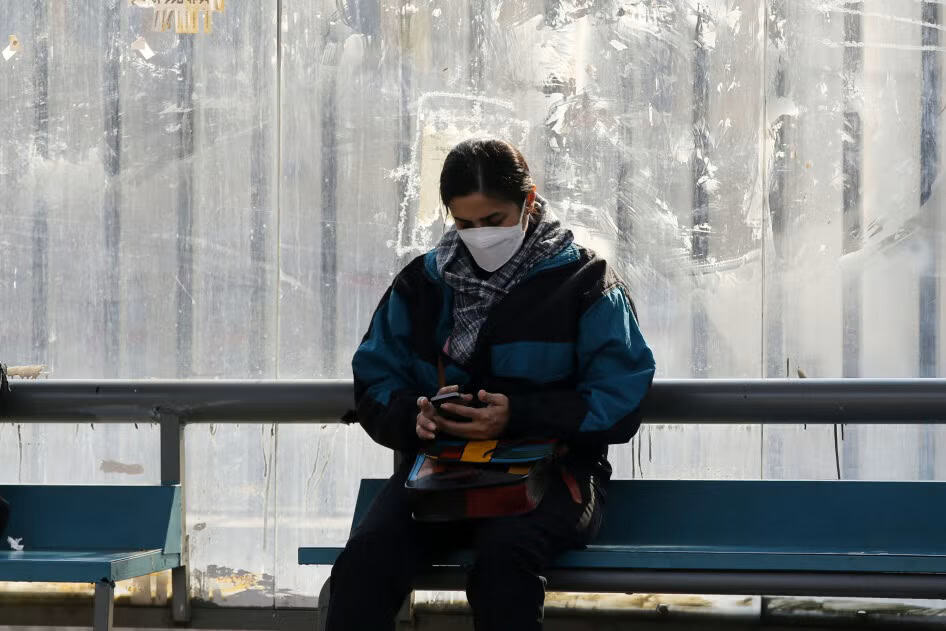
However, this most recent episode of digital blackout was different in both scale and intensity. In the previous examples, the shutdowns usually lasted for days or weeks at most, and people were able to eventually regain access through VPNs and other circumvention tools. This time, however, many Iranians describe a much more intricate and layered form of digital restriction: severe filtering, disruption of VPN services, extremely slow domestic internet, and, consequently, blocked access to major global platforms including Google services, email providers, messaging apps, and social media. Technically, the internet was not shut down altogether, but for many ordinary users it became practically unusable.
The significance of this lies in the fact that, as with most places across the planet, internet access in Iran is not simply about entertainment or convenience. Millions of Iranians depend on the internet and on online connection for their daily work, education, emotional survival and political life. And more importantly, this dependency is not experienced equally.
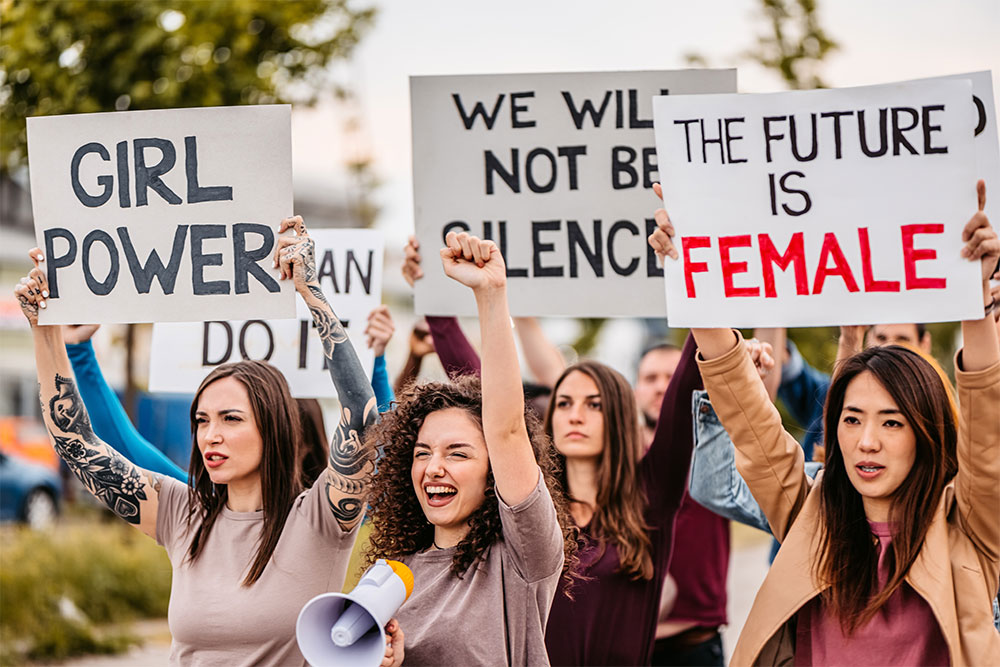
In particular, for many women and queer people in Iran, the internet is one of the few spaces that grants them some degree of autonomy. Restrictions on mobility, unequal access to public space, discrimination in employment, family control, and the risks attached to queer visibility all shape how digital spaces are used. Against this backdrop, online platforms have functioned not only as workplaces, but also as spaces for friendship, political discussion, emotional support, identity formation, and collective survival.
This brief report draws on the experiences of women and queer people in Iran to examine how internet shutdowns reshape their everyday lives. The report highlights how digital restrictions are not gender-neutral and how they directly affect economic survival, mental health, social belonging, and the ability to organize politically.
Read full report: