

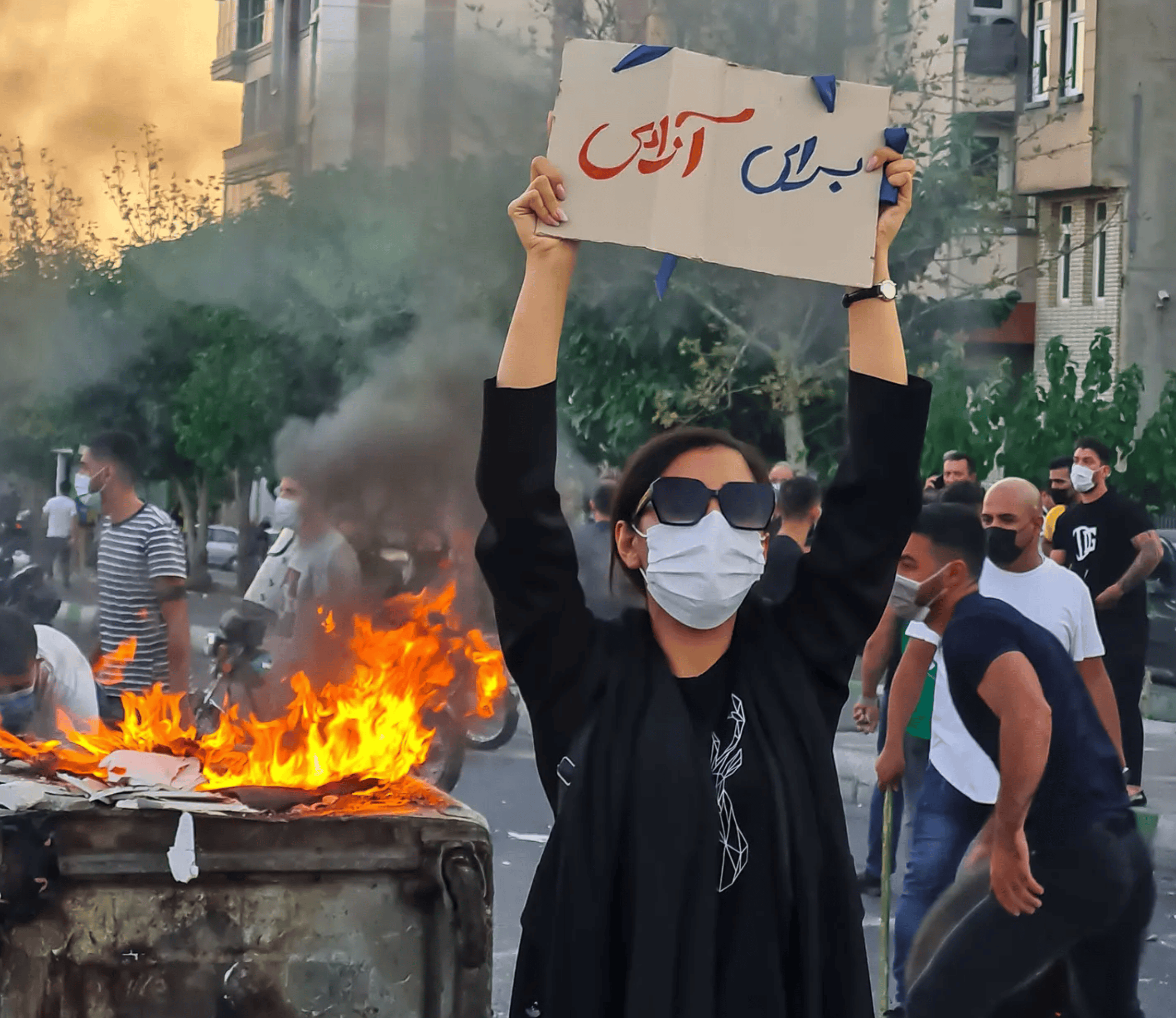
The bloody protests of January 2026 in Iran, which left thousands dead and injured, once again demonstrated that social and political protest in the Islamic Republic is not a temporary or isolated phenomenon, but rather has been an enduring and dynamic feature of the country’s political life. The intensity of the state’s security response to these protests, the scale and geographic spread of the unrest, and the messages contained within the slogans chanted during the protests all raise important questions about the trajectory of the Iranian protest movement, its discursive transformation and the future of state–society relations. These questions require historically grounded and context-sensitive analysis, particularly for policymakers and state and international institutions.
Across all major waves of protest in Iran from the early decades following the 1979 Revolution to the present time popular mobilization has never been restricted to the direct action of citizens and civil society actors. Rather, protests in Iran have consistently unfolded and taken shape in interaction with opposition political actors and a diverse range of opposition currents, both inside and outside the country. These various political currents, with their differing aims and strategies, have at times sought to represent or steer protest movements, and at other times have merely reflected, amplified, or capitalized on them politically, or through the media depending on the historical moment and the balance of power.
Given the wide range of discontent and protest in Iran, this report does not attempt to cover every incident of protest or mobilization that has occurred. Instead, it focuses on a selected set of the more significant protests that have taken place since the 1979 revolution, chosen on the basis of criteria such as their geographic scope, the intensity and pattern of the state’s response to the protest, the extent to which protester demands moved from economic grievances to political and structural claims, the diversity of those participating in them, the dominant discourse of each protest wave, and their historical impact on subsequent mobilizations. This review begins with the unrest that occurred in Mashhad in 1992 and extends through the most recent protests of January 2026.
The central focus of this analysis is the transformation of protest discourses particularly over the three-year period between the “Woman, Life, Freedom” movement, with its rights-based and democratic slogans, and the protests of January 2026. The key question is: what are the factors that have led part of society to move away from peaceful strategies and toward options that seem to promise greater speed and decisiveness, but which also come at higher costs and greater risks.
Importantly, these tendencies are not necessarily voiced by a wholly different group from earlier protesters. Rather, some of the very people who participated in the “Woman, Life, Freedom” movement with democratic demands may, under new conditions, come to prefer different priorities and strategies.
The aim of this report is to offer an analytical picture of this discursive shift and its possible implications for the future of Iran’s political and social transformations, a picture that may help policymakers and international institutions develop a more precise understanding of the internal dynamics shaping Iranian society.
Read the report: