
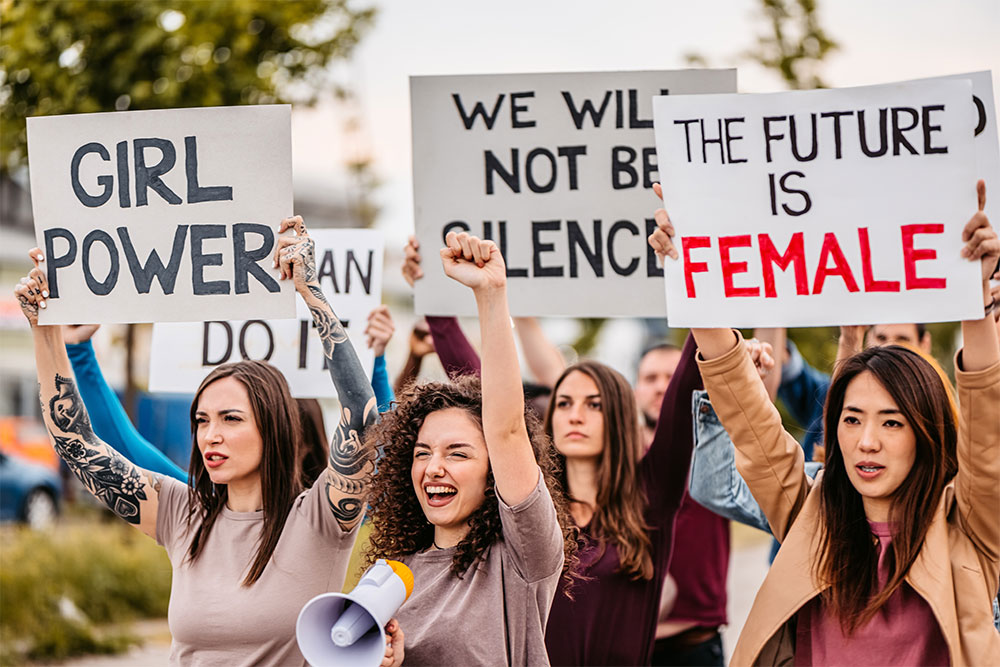

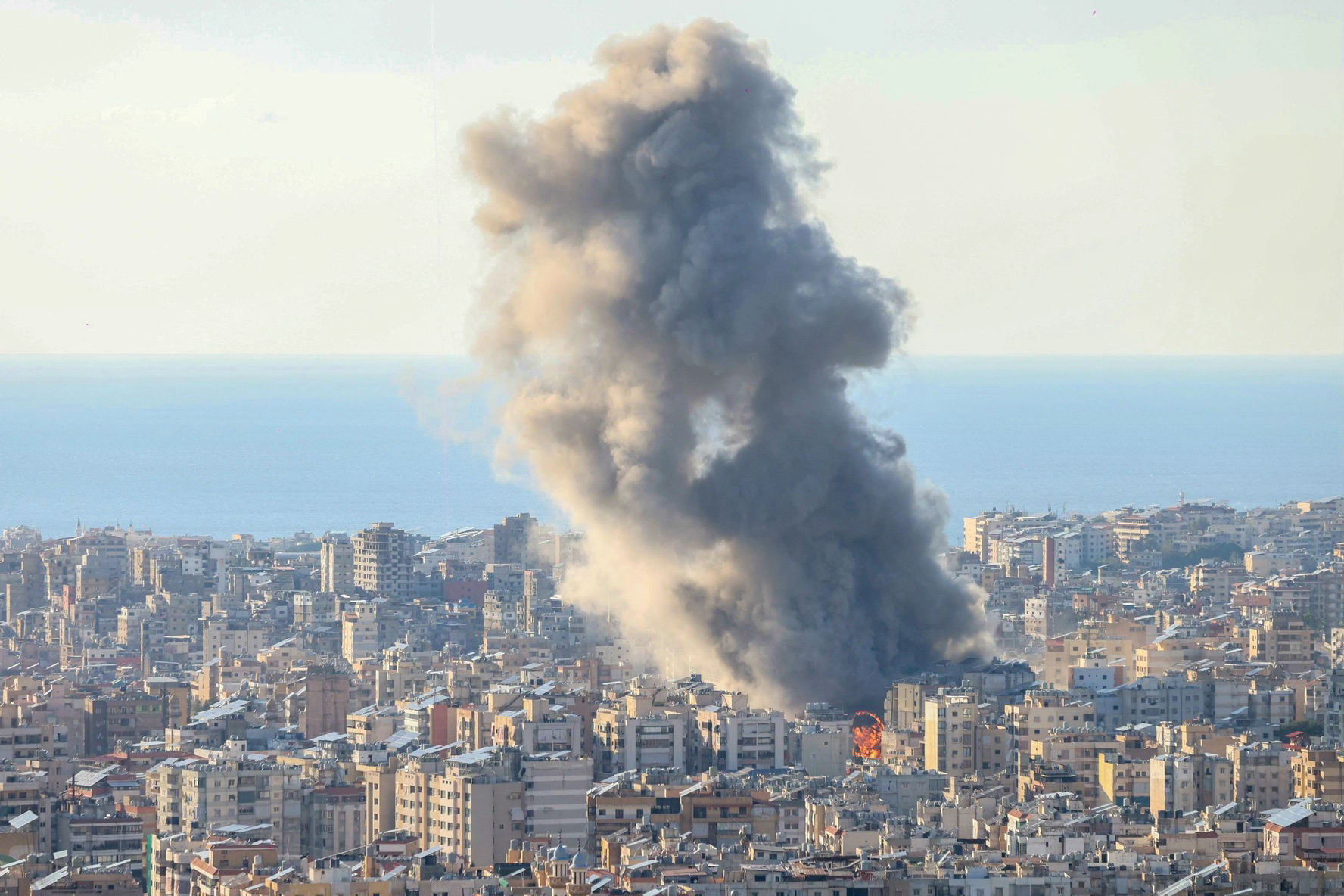
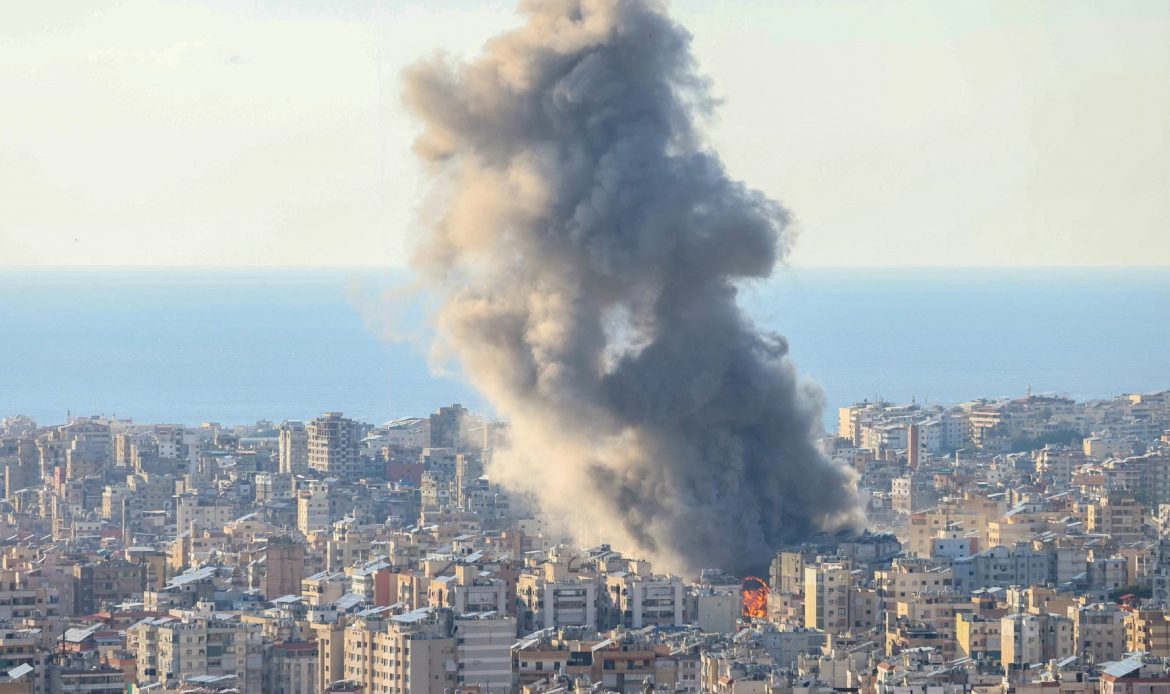
Femena stands in solidarity with Lebanese women, particularly those in southern Lebanon, Beirut’s southern suburbs, and other affected areas, who are enduring large-scale Israeli bombardment, displacement, and profound insecurity following the escalation of hostilities that began on 2 March 2026.
Since early March, Israel has been waging an intense campaign against Lebanon through the air and on the ground after the breakout of conflicts at the border area. The extent and nature of these attacks have made this one of the most violent periods in Lebanon in recent times. Despite international appeals for cessation of attacks, a ceasefire is not yet in place. Although a tentative agreement had been reached in mid-April, 2026, it is still very unstable due to ongoing military action and roadblocks.
By April 2026, the human toll has risen sharply. According to the United Nations, Lebanese authorities, and humanitarian organizations, over 2,000 people have been killed since the start of the bombardment, including at least 170 children, with thousands more injured. The scale of displacement has been unprecedented: more than one million people have been forcibly displaced, with some estimates reaching around 1.2 million, including hundreds of thousands of children. This represents a significant proportion of Lebanon’s population and reflects the widespread and indiscriminate impact of the violence.
Civilians’ infrastructure has been severely damaged with at least 37,000 houses being demolished, and destruction in education institutions, health care facilities, farmlands, and other important infrastructure. The escalation has rendered some areas in southern Lebanon and beyond uninhabitable owing to the fact that they have either been continuously targeted or evacuated due to constant bombardments and resulting threats to civilian safety.
The crisis faced by Lebanon has been made worse owing to the presence of refugee populations in Lebanon. They are facing additional problems as they have been displaced once again. Their lives are also under increased threat due to the current crisis, especially since they remain marginalized within protection systems and are located in highly vulnerable regions.
The impact on women is severe and deeply structural. Women are disproportionately affected as primary caregivers and heads of households in crisis conditions. They are often responsible for evacuating children, caring for elderly relatives, and sustaining family life under bombardment. Many have been forced to flee with little more than what they can carry, often in the middle of the night and under immediate threat.
The effects of displacement have increased vulnerability for women and young girls. They find themselves in cramped, unsanitary environments without access to medical care or security. These women are not only dealing with their own fears but those of their children, who have been displaced numerous times and witnessed airstrikes. Elderly women feel isolated, especially if they are without their extended families. Women who have lost their homes or husbands bear an added emotional and financial burden, yet remain strong for their families and communities.
At the same time, women, including activists, community leaders, and women human rights defenders, are at the forefront of response efforts. They document violations, support displaced families, and sustain collective resilience under extreme conditions. Yet their voices remain largely absent from international narratives and policy discussions.
In this dispatch, Femena centers the testimonies of Lebanese women and women human rights defenders living through this escalation. These accounts are raw, direct, and grounded in lived experience. The voices presented here represent only a fraction of those affected; their experiences echo across Lebanon. They speak of fear, loss, displacement, and survival, but also of dignity, memory, and the enduring struggle to remain.