

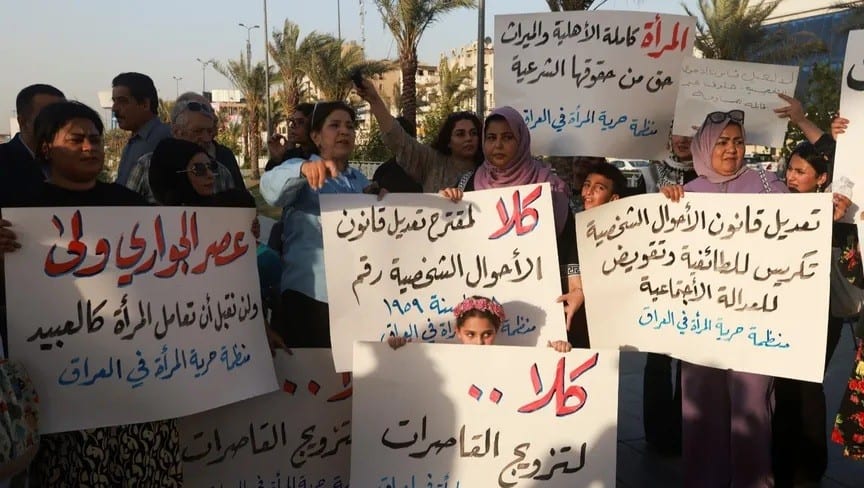
Femena condemns the threats, smear campaigns, and harassment targeting women human rights defenders (WHRDs) and activists in Iraq. Testimonies published by the Iraqi investigative journalism network NIRIJ on 30 September draw attention to how digital attacks can extend into women’s workplaces and personal lives, undermining their safety and ability to continue their human rights work.
One WHRD, whose identity was withheld for security reasons, described accounts circulating false allegations about her and her advocacy for women and children. She said an impersonation account used her name and photograph to publish material falsely associating her with witchcraft. She also reported attempts to photograph her workplace and gather information about her movements, along with pressure at work. Despite reporting the harassment to the authorities, she said it continued.
Femena stresses that the impact of intimidation extends beyond individual women human rights defenders to the wider space for feminist organizing in Iraq. When threats force women to reduce their public visibility, change meeting locations, cancel activities, or avoid particular subjects, their ability to organize and advocate freely is undermined. Pressure on their families and workplaces can further isolate them, making continued participation in public life increasingly difficult.
The assassination of prominent woman human rights defender Yanar Mohammed in March 2026 is a stark reminder of the grave risks facing those who defend women’s rights in Iraq. Her killing underscores the urgency of responding to threats and ensuring accountability for attacks against defenders. Women should not have to withdraw from public life to protect themselves, and their safety must never depend on their silence.
Femena calls on the Iraqi authorities to investigate threats and attacks promptly and independently, hold those responsible accountable, and ensure that women human rights defenders can report threats and seek protection without facing further intimidation. Protection measures must be developed in consultation with defenders and support their ability to continue their work safely and freely.
We also call on social media platforms to respond effectively to impersonation, threats, and targeted harassment, with accessible reporting mechanisms and adequate Arabic-language support. International partners and donors should make flexible resources available for digital security, legal assistance, and psychosocial support, guided by defenders’ own priorities.
Femena stands in solidarity with women human rights defenders and activists in Iraq. Protecting their safety means protecting their right to remain visible, organize collectively, and demand change without fear of retaliation.