

The Islamic Republic of Iran has entered a new and deeply alarming phase in its repression of the January 2026 protests. The accelerated issuance and implementation of death sentences against detained protesters is not merely a continuation of post-protest crackdowns; it represents a calculated strategy to eliminate dissent through judicial executions while international attention remains focused on the ongoing armed conflict.
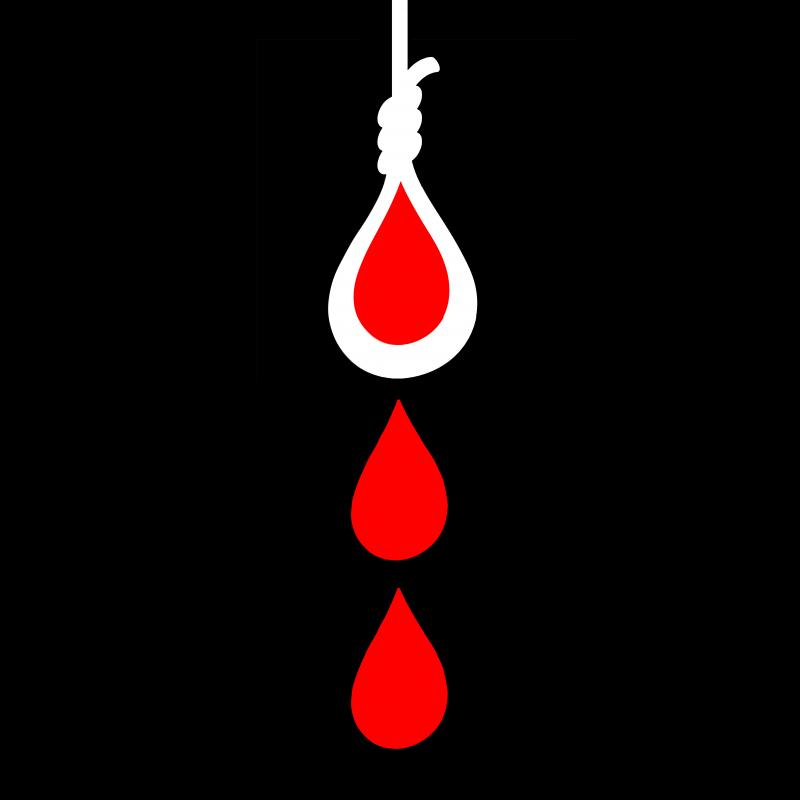
Over the past three weeks alone, at least seven protesters arrested in connection with the January demonstrations have been executed. According to information documented by human rights organizations and confirmed by Iran’s judiciary, those executed include Erfan Esfandiari, Gol Mohammad Mohammadi, Mehdi Khanaki, Mohammad Amini Dehaghani, Abolfazl Sepahi and Amirhossein Safari. With these executions, the number of protesters executed in relation to the January protests has reached at least 26, while dozens more remain under sentence of death and face imminent execution.
These executions are taking place amid profound concerns regarding the denial of due process and the systematic erosion of fair trial guarantees. In numerous cases, trials were conducted through video conferencing, depriving defendants of meaningful participation in proceedings that ultimately determined whether they would live or die. Many detainees were denied access to lawyers of their own choosing and were prosecuted on the basis of confessions reportedly extracted through physical and psychological torture during prolonged detention.
The demographic profile of those executed further illustrates the nature of this repression. Most were in their twenties, while some—including Erfan Esfandiari, were reportedly under the age of eighteen at the time of their arrest. These were not senior political figures or members of organized armed groups. The overwhelming majority were first-time detainees with no known history of political affiliation. They belonged to a generation driven into the streets by mounting economic hardship, widespread corruption, systemic political exclusion, and the absence of peaceful avenues for political participation.
The charges brought against many of those executed, including the killing of security personnel, destruction of public property, or affiliation with opposition organizations, have been accompanied by remarkably weak public evidence. In the case of Erfan Esfandiari, Gol Mohammad Mohammadi, Abolfazl Sepahi and Amirhossein Safari, judiciary-affiliated media alleged their involvement in the deaths of security personnel during protests in Isfahan’s Alikhani Square, while eight additional defendants in the same case have also been sentenced to death. Mohammad Amini Dehaghani was convicted for allegedly setting fire to public property, and Mehdi Khanaki was executed on charges of membership in an opposition group. Yet neither official investigations nor publicly available evidence have credibly demonstrated that those accused were armed or personally responsible for the acts attributed to them. Even footage released by state-affiliated media fails to clearly identify the alleged perpetrators, reinforcing concerns that capital punishment is being imposed on the basis of opaque investigations and politically driven prosecutions rather than credible evidence.
These executions cannot be viewed in isolation. They form part of one of the most extensive campaigns of state violence in the history of the Islamic Republic. According to official figures, more than 3,000 people were killed during the January protests, although independent human rights organizations estimate the real number to be substantially higher.
Thousands remain imprisoned, many have been subjected to torture, and dozens continue to face execution following proceedings that fail to satisfy even the minimum standards of judicial independence and due process.
The continuation of this execution campaign during a period of armed conflict raises particularly serious concerns. Over the past six months, Iran has also experienced an unlawful war that has resulted in widespread civilian casualties and extensive destruction of critical civilian infrastructure. During the latest phase of military operations, southern Iranian cities have been subjected to intensive U.S. bombardment, reportedly killing hundreds of civilians and damaging bridges, power plants, telecommunications infrastructure, desalination facilities, and other essential civilian infrastructure.
Rather than moderating domestic repression during this national crisis, the Iranian authorities appear to be exploiting the wartime environment to intensify internal crackdowns while international scrutiny is diluted. The simultaneous use of external conflict and domestic executions reflects a broader pattern in which national security narratives are deployed to justify exceptional measures against political dissent.
At the same time, Iranian society is experiencing an unprecedented crisis of legitimacy. Years of political repression, economic collapse, corruption, and the violent suppression of successive protest movements have produced a profound rupture between the state and large segments of society. The fact that some Iranians have come to view foreign military intervention as a possible means of escaping domestic authoritarianism, even while such intervention itself inflicts devastating humanitarian consequences, illustrates the depth of this political breakdown. It reflects not support for war, but profound despair resulting from the systematic closure of peaceful avenues for political change.
Executions under these circumstances serve a broader political objective. They are intended not only to punish individual protesters but to communicate that participation in future protests may carry the ultimate penalty. Capital punishment is increasingly functioning as an instrument of political intimidation rather than criminal justice. The use of executions following mass protest movements contributes to a climate of collective fear designed to deter civic participation, silence demands for accountability, and consolidate authoritarian control.
The Iranian authorities, for their part, should immediately halt all executions connected to the January protests, commute all outstanding death sentences, and guarantee retrials that comply with international fair trial standards. Independent lawyers and international human rights monitors must be granted access to detainees and judicial proceedings. Allegations of torture and coerced confessions should be subject to independent investigation, and evidence obtained under coercion must be excluded from judicial proceedings.
Ultimately, sustainable stability cannot be achieved through executions, mass imprisonment, or fear. The killings during the January protests have left thousands of families grieving and deepened the country’s political divisions. Continuing to execute young protesters will only reinforce cycles of injustice and further erode public trust. The path toward restoring legitimacy lies not in expanding repression but in acknowledging state responsibility for past abuses, ending politically motivated prosecutions, granting broad amnesty to detained protesters, and creating genuine space for accountability, justice, and peaceful political participation.