

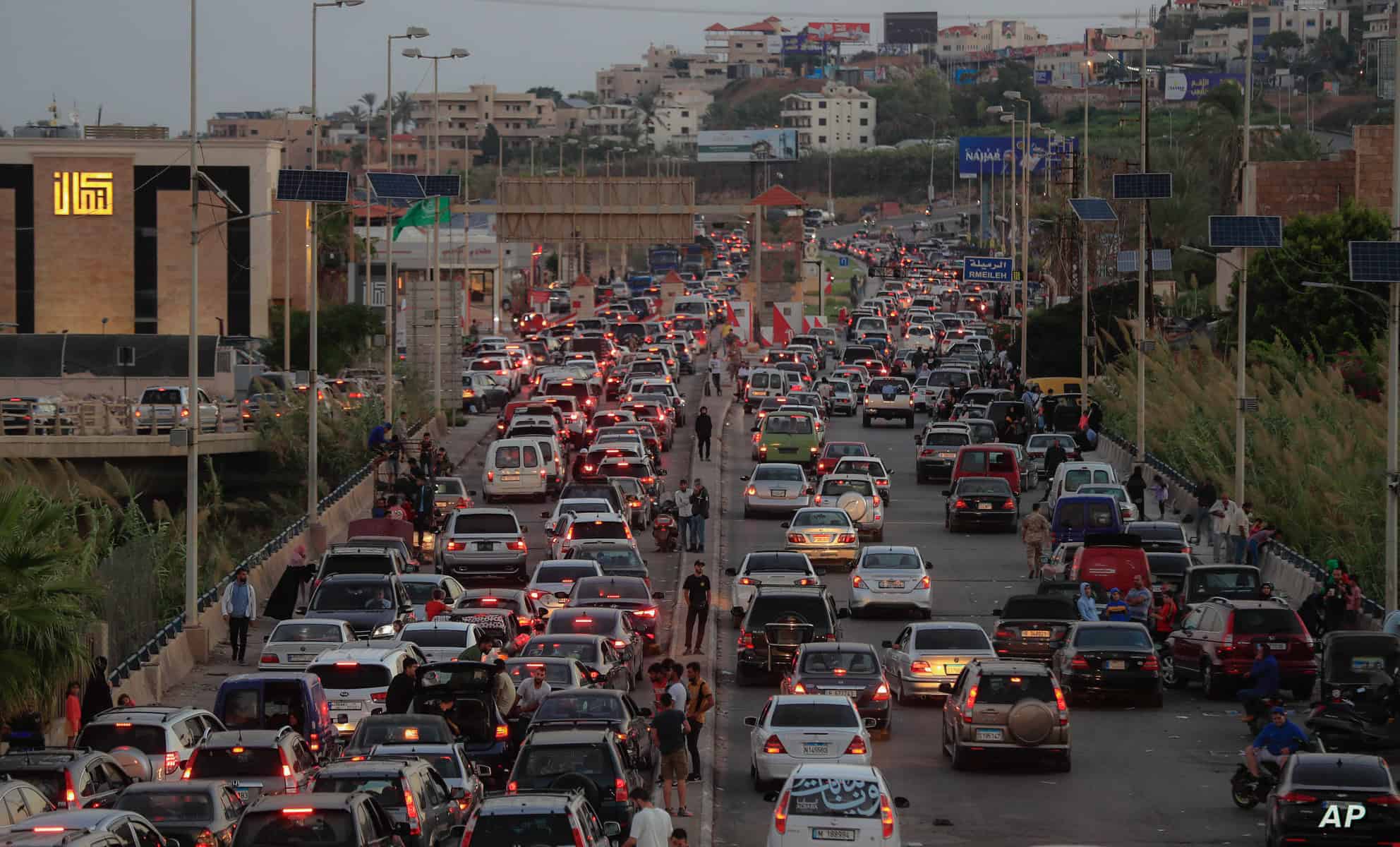
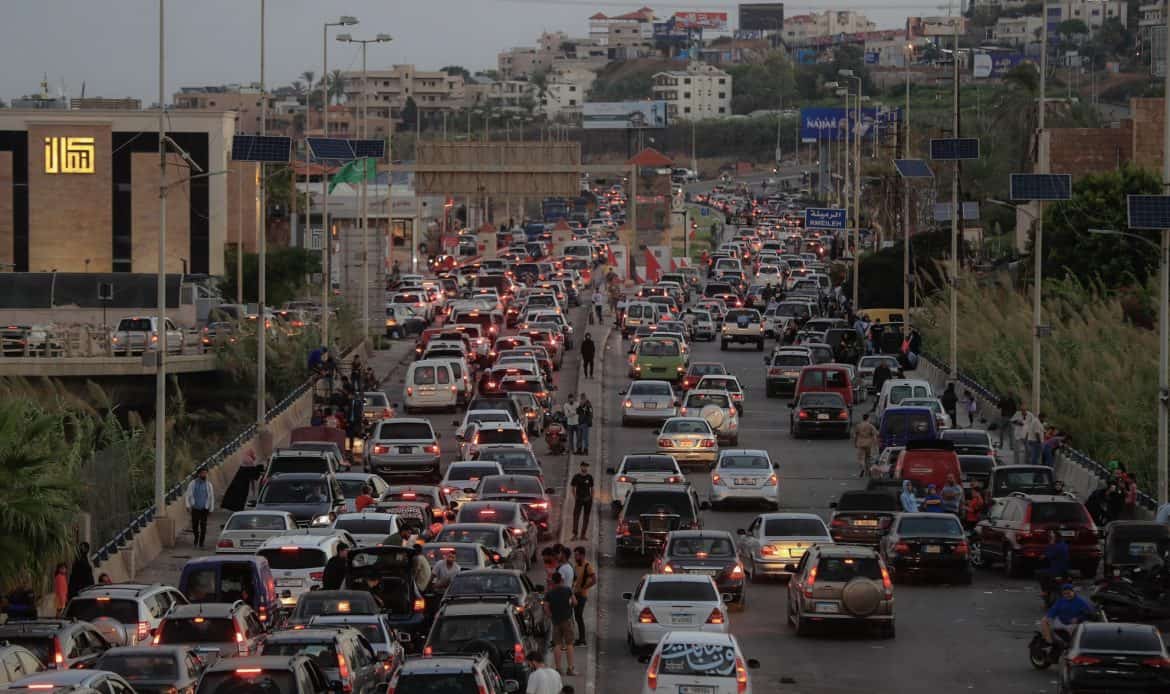
Months after the announcement of the April 2026 ceasefire between Israel and Lebanon, thousands of displaced families have begun returning to towns and villages across southern Lebanon. For many, the journey home represented more than a physical return. It carried the hope of rebuilding homes, restoring livelihoods, reuniting communities, and reclaiming a sense of normalcy after months of displacement, uncertainty, and loss.
Yet for many women, returning has revealed a reality far removed from the promise of peace. Although the ceasefire created conditions for many families to return, humanitarian organizations and United Nations agencies continue to warn that the security situation remains fragile. Reports of continued military activity, drone surveillance, intermittent airstrikes, exchanges of fire, and other security incidents have underscored the persistent risks facing civilians attempting to rebuild their lives.
Across southern Lebanon, entire neighborhoods remain devastated by widespread destruction. Homes, schools, healthcare facilities, agricultural lands, roads, electricity networks, water infrastructure, and other essential services have sustained extensive damage. The presence of unexploded ordnance, damaged infrastructure, and limited public services continues to hinder recovery and restrict safe movement in many affected communities. While hundreds of thousands of internally displaced people have returned, many have found homes that are damaged, destroyed, or no longer habitable, forcing families to rebuild with limited resources and inadequate support.
For women and girls, return has not marked the end of the humanitarian crisis but rather the beginning of a new and deeply challenging phase. As primary caregivers and, in many cases, heads of households, women continue to shoulder the responsibility of caring for children, older relatives, and family members with disabilities while attempting to restore their homes, livelihoods, and community life. Women-headed households, widows, divorced women, elderly women, and women living in rural communities often face additional barriers in accessing reconstruction assistance, employment opportunities, healthcare, and financial support. Women-owned businesses, agricultural livelihoods, and local economies have been severely disrupted, further exacerbating economic insecurity during the recovery process.
Beyond the visible destruction, the war has left a profound psychological legacy. Humanitarian organizations continue to document significant mental health and psychosocial needs among conflict-affected populations, particularly women, children, and young people. For many women, returning home has not restored a sense of safety. The sound of aircraft, explosions, or unfamiliar noises continues to trigger fear and anxiety, while repeated displacement, the loss of loved ones, and the uncertainty of renewed violence have left many living in a constant state of vigilance. The emotional burden of war remains deeply embedded in everyday life, long after families have crossed back into their villages.
At the same time, women have remained at the forefront of community resilience throughout the conflict and its aftermath. Women human rights defenders, journalists, healthcare workers, volunteers, and women-led organizations played a central role in documenting violations, supporting displaced families, coordinating humanitarian assistance, and helping sustain their communities despite experiencing the same violence, displacement, and loss themselves. Yet many continue to report significant gaps in protection, psychosocial care, reconstruction assistance, and gender-responsive recovery efforts.
This third dispatch centers the voices of Lebanese women who have returned to southern Lebanon after prolonged displacement. Their testimonies reveal that physical return does not necessarily translate to recovery. Instead, they describe lives suspended between hope and fear, rebuilding and repeated loss, resilience and exhaustion. Together, their experiences demonstrate that the consequences of war extend far beyond the cessation of large-scale hostilities. For many women, returning home has become another stage of the humanitarian crisis, one in which rebuilding requires not only restoring homes and infrastructure, but also recovering livelihoods, rebuilding trust, addressing psychological trauma, and ensuring lasting safety, dignity, and justice.