

More than two months into the ongoing Israeli attacks on Lebanon, women across affected areas describe a life shaped by constant fear, repeated displacement, exhaustion, and uncertainty. What began as emergency survival under bombardment has evolved into a prolonged humanitarian and psychological crisis affecting nearly every aspect of daily life.
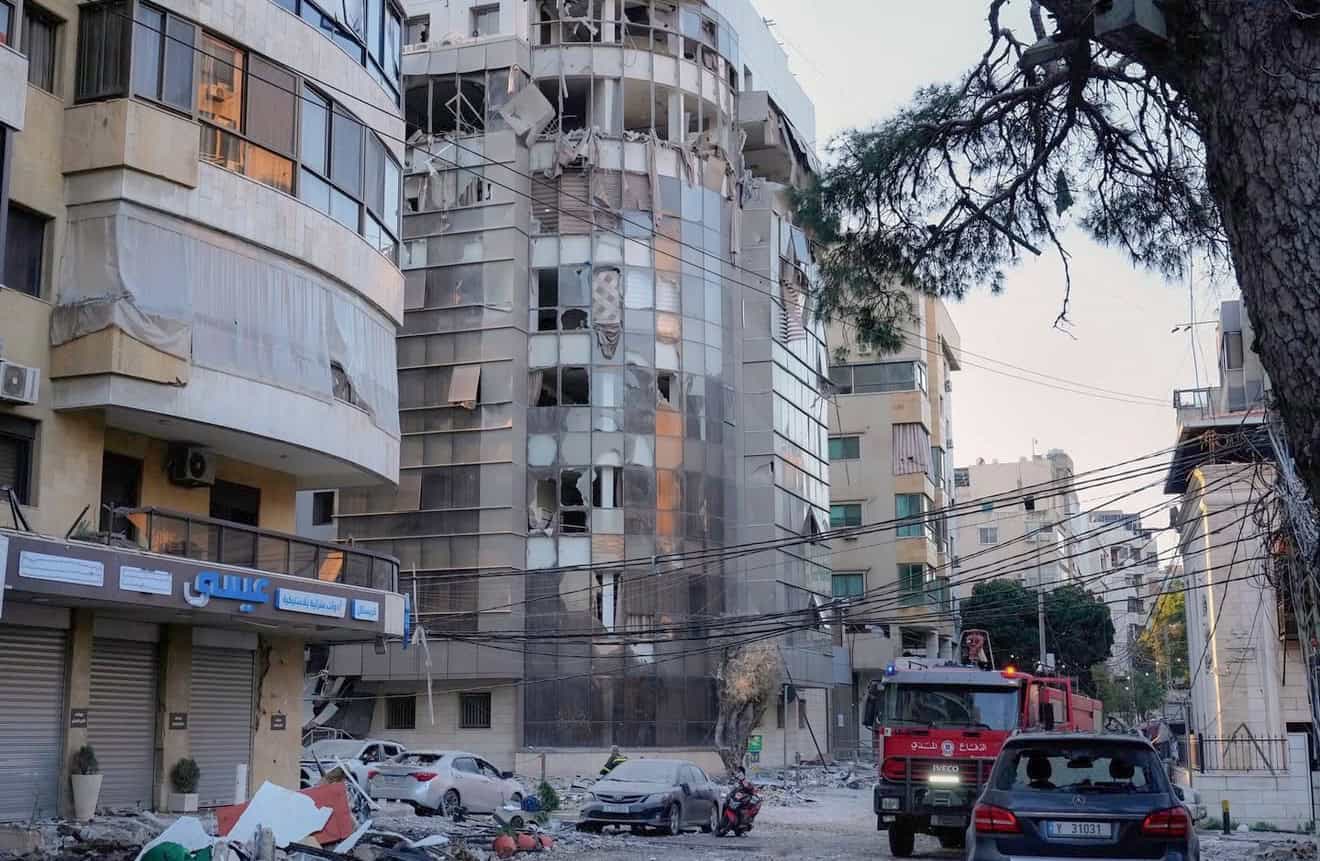
Across southern Lebanon, Beirut’s southern suburbs, the Bekaa, and other affected regions, civilians continue to endure Israeli airstrikes, shelling, and constant drone surveillance under increasingly unstable and dangerous conditions. Although international actors have repeatedly called for de-escalation, and a tentative ceasefire framework was announced in April 2026, military operations and attacks continue, leaving many communities trapped between repeated displacement, destruction, and the ongoing fear of renewed violence.
As of May 2026, the humanitarian toll continues to rise sharply. According to Lebanese authorities, humanitarian organizations, and United Nations agencies, thousands of people have been killed and injured since the beginning of the escalation, including large numbers of women and children. More than one million people have experienced displacement, many of them multiple times, while countless families remain unable to safely return to their homes due to ongoing attacks, widespread destruction, and severe insecurity. Civilian infrastructure, including homes, schools, hospitals, agricultural lands, roads, and emergency response systems, has sustained extensive damage across affected regions, rendering entire areas unsafe or uninhabitable.
The escalation has further deepened Lebanon’s already fragile humanitarian and economic conditions. Displaced families continue to face severe shortages in housing, healthcare, medicine, electricity, clean water, and financial resources. Women and girls remain disproportionately affected by these conditions, particularly in overcrowded shelters and informal displacement settings where privacy, safety, and access to healthcare are severely limited. Pregnant women, elderly women, refugee women, women with disabilities, and women-headed households face compounded vulnerabilities amid shrinking humanitarian capacity and prolonged instability.
At the same time, women across Lebanon continue to carry the burden of sustaining families and communities under extraordinary pressure. Women human rights defenders, activists, journalists, healthcare workers, volunteers, and community organizers remain at the forefront of documenting violations, coordinating relief efforts, supporting displaced families, and preserving community networks, despite enduring the same violence and insecurity themselves.
Yet beyond the visible destruction, testimonies gathered by Femena increasingly point to the enduring psychological toll of living under constant threat. Women describe sleepless nights under the sound of drones, panic spreading through neighborhoods during sudden evacuation warnings, children experiencing severe fear and distress, and the emotional exhaustion of navigating repeated displacement and uncertainty. For many, the violence is not confined to moments of bombardment alone, but extends into everyday life through chronic fear, grief, instability, and the constant anticipation of danger.
In this second dispatch, Femena centers the voices of Lebanese women and women human rights defenders documenting and surviving this ongoing reality. These testimonies reflect not only experiences of loss and displacement, but also the emotional burden of prolonged violence, the labor of survival, and the determination to remain visible, connected, and resilient amid continued attacks and erasure.