

We, the undersigned organizations, collectives, and individuals, express our deep concern over the escalation of violence between Pakistan and Afghanistan and its devastating impact on civilians.
For decades, war has been imposed on Afghanistan and its people. These cycles of violence have not brought safety, stability, or justice. Instead, they have devastated communities, displaced families, and entrenched suffering, particularly for women and children, who continue to bear the heaviest burden.
Today, as violence intensifies, we are alarmed not only by the harm inflicted on civilians but also by the growing normalization of war in public discourse, including within diaspora and exile communities.
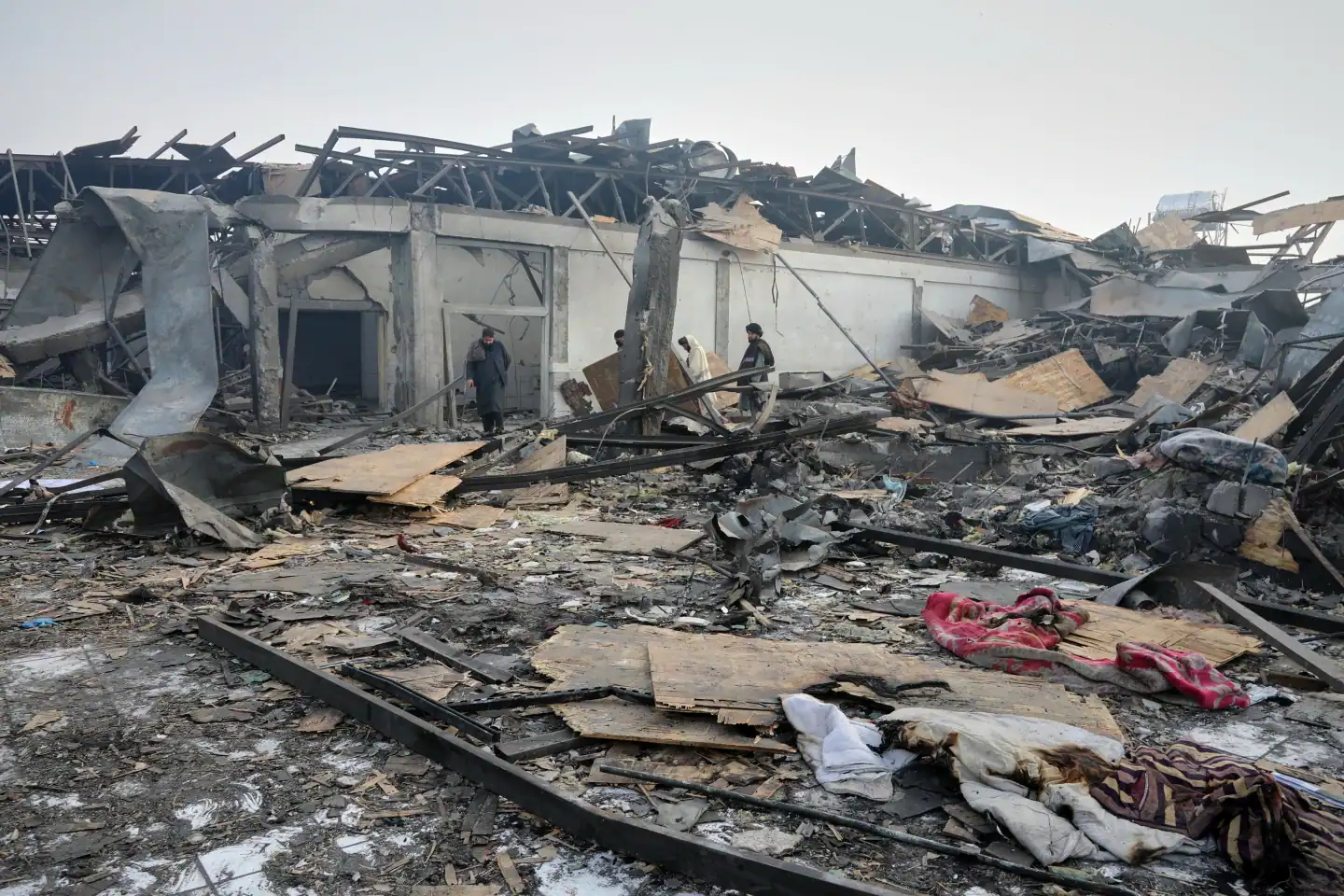
We firmly reject all narratives that justify or glorify war. especially those that target civilians. Tragically, this violence continues. On the evening of March 16, Pakistan military forces carried out yet another airstrike on Kabul, which impacted Omid Addiction Rehabilitation Hospital. Media reports mass casualties, including hundreds injured and killed.
Attacks on civilians, medical facilities, medical personnel, and vulnerable patients are a breach of international humanitarian law and are strictly prohibited and must not go without accountability.
Since February 2026, the UN has documented at least 76 civilian deaths and 213 injuries due to Pakistan attacks prior to this recent attack.
There is no version of war that serves the people. There is no military outcome that can justify the loss of civilian life, the destruction of homes, or the erasure of futures.
We refuse the framing that asks us to choose between forms of violence and reject the idea that the suffering of civilians can ever be a necessary cost.
Instead, we call for a re-centering of the safety, the dignity, and the humanity of people on the ground.
We, the undersigned to this statement, condemn the civilian harm caused by these strikes. These attacks put innocent lives at grave risk, particularly in areas where women and girls face heightened vulnerabilities. Communities already struggling under Taliban oppression now face further hardship. We are concerned that the urgent needs of civilians, including medical care, rebuilding homes and businesses, and financial support, will not be adequately addressed, worsening the humanitarian crisis.
Our Demands:
We demand an immediate stop to the war and urge that all parties take prompt steps to prevent civilian harm and uphold international humanitarian law, including the protection of civilian homes, schools, hospitals, and other essential infrastructure.
Violations must urgently be documented, monitored, and addressed through credible mechanisms.
We call on civil society, media, and diaspora/exiled communities to reject narratives that glorify or justify violence. We urge them to take this stand because decades of war in Afghanistan have brought little benefit to its people, instead deepening inequality, perpetuating cycles of injustice, and causing profound trauma, especially for women and children.
In situations of armed conflict, women, children, marginalized communities, and vulnerable groups must be at the center of humanitarian efforts, and humanitarian aid must reach affected communities without obstruction.
Organizational Signatories
| Afghan Canadian Women for Global Corporation |
| Afghanistan Women’s Organization for Equality |
| Civil Society and Human Rights Network – CSHRN |
| Collaborative for Peace in Sudan |
| Dialogue Hub for Common Ground |
| Empowerment for her |
| Eu Hope e.v |
| Fanoos-e-Azadi |
| Femena |
| HRD+ |
| Global Resilience |
| Institutions of Civil Society and Human Rights in Afghanistan (ICSHRA) |
| International Action Network for Gender Equity& Law (IANGEL) |
| Platform For Mindset Change |
| Powerful Women Movement in Afghanistan |
| Rawadari |
| Unity and Solidarity of Afghanistan’s Women |
| WILPF |
| Women in Black Against War International Network |
| جنبش خود جوش زنان معترض افغانستان |
| شبكة قائدات السلام |
Individual Signatories
Shinkai Karokhail, Former MP
Sahar Fetrat, Feminist activist
Naeema Asadi
Munisa Mubariz
Mariam Atahi, Women’s Rights Defender
Dr. Timor Sharan
Amal Charif, Managing Director, HalTek